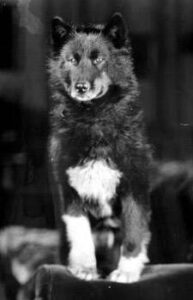
In February 1925, a Siberian Husky named Balto ran 55 miles through an Alaskan blizzard, in pitch darkness, at -40°F, to deliver medicine that saved a town. He became a national hero overnight. There’s a statue of him in Central Park. Children across America wrote letters about him.
But here’s the thing most people don’t know: he wasn’t even supposed to be the lead dog.
Balto’s story is part of one of the most remarkable rescue missions in history. If you love dogs, and the idea that they understand duty in some way we can’t fully explain, this one’s worth knowing properly. It’s one of those dog stories that stays with you.
A deadly crisis in Nome, Alaska
Nome in 1925 was a remote outpost on Alaska’s western coast. In January of that year, a diphtheria outbreak began spreading through the town. Diphtheria is a bacterial infection that attacks the throat and airways. In children, it could be fatal within days.
The town had a small supply of antitoxin, but it wasn’t enough. The nearest stockpile was in Anchorage, and Nome was completely cut off.
Planes couldn’t fly in the brutal winter conditions. Ships couldn’t reach port through the frozen Bering Sea. The only option was a sled dog relay across 674 miles of Alaskan wilderness, through one of the worst storms of the decade.
The decision was made. Twenty mushers and over 150 sled dogs would carry the serum across the ice, passing it from team to team like a life-saving baton.
The great serum run
The relay began on 27th January 1925. Each musher would take the serum as far as they could before handing it to the next team. The route crossed frozen rivers, mountain passes, and open tundra.
Conditions were extreme. Temperatures dropped to -50°F in places, and blizzards reduced visibility to almost nothing. The dogs ran through the night. Mushers tied the antitoxin vials to their bodies to stop them freezing.
Every leg of the relay mattered. But one leg would become the most famous.
Balto’s moment
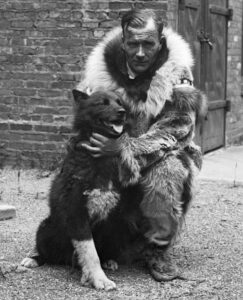
Balto was a 5-year-old Siberian Husky belonging to musher Gunnar Kaasen. By most accounts, he was a solid working dog: strong, dependable, with a thick black coat that handled the cold well. But he wasn’t considered the star. That title belonged to Togo, and we’ll come back to that.
Kaasen and Balto were assigned the penultimate leg of the relay. The plan was to hand the serum off to another musher, Charlie Olson, for the final stretch into Nome. But the storm was so severe that Kaasen made a call: he pushed on.
Balto led the team through a whiteout. At one point, the sled overturned on a riverbed and the serum package went missing in the snow. Kaasen found it with his bare hands in the dark. They kept going.
At 5:30 in the morning on 2nd February 1925, Balto ran the final 55 miles and delivered the antitoxin to Nome. The diphtheria outbreak was stopped. Not a single child died once treatment began.
But what about Togo?
Here’s the part of the story that gets left out.
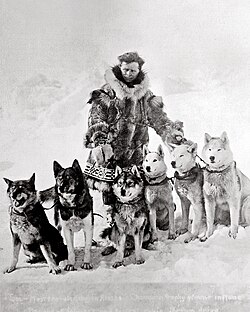
While Balto got the statue and the Hollywood films, many historians, and virtually every dog person who knows the full story, argue that Leonhard Seppala’s lead dog Togo was the true hero of the serum run.
Togo was 12 years old at the time. He’d been working Alaska’s trails for a decade. And on this relay, he ran 264 miles: nearly five times what Balto ran, and through the most dangerous stretch of the entire route. Seppala and Togo crossed Norton Sound in near-whiteout conditions, navigating sea ice that could crack and shift at any moment.
The image on the right is of Leonhard Seppala with sled dogs from his kennel – Togo is at far left. Other dogs from left to right: Karinsky, Jafet, Pete, Zeus, Fritz. You can read more about Togo here.
According to the American Kennel Club, Togo’s leg is widely considered the most gruelling of the entire relay. Many mushers refused to attempt it.
So why does Balto get the credit? Timing, mostly. Kaasen arrived in Nome at dawn, in time for the morning newspapers. Reporters were there. The story got out. Balto’s name spread before Seppala and Togo were even known to the press. A statue was commissioned within months.
Seppala spent years frustrated by this. In later interviews, he said Togo had been overshadowed unfairly.
The truth is both dogs were extraordinary. The serum run only succeeded because every team on that relay pushed past what seemed possible. But if you come away from this story thinking Balto did the hardest thing: he didn’t. He did something remarkable. Togo did something almost impossible.
What happened to Balto after the serum run
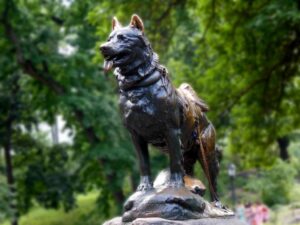
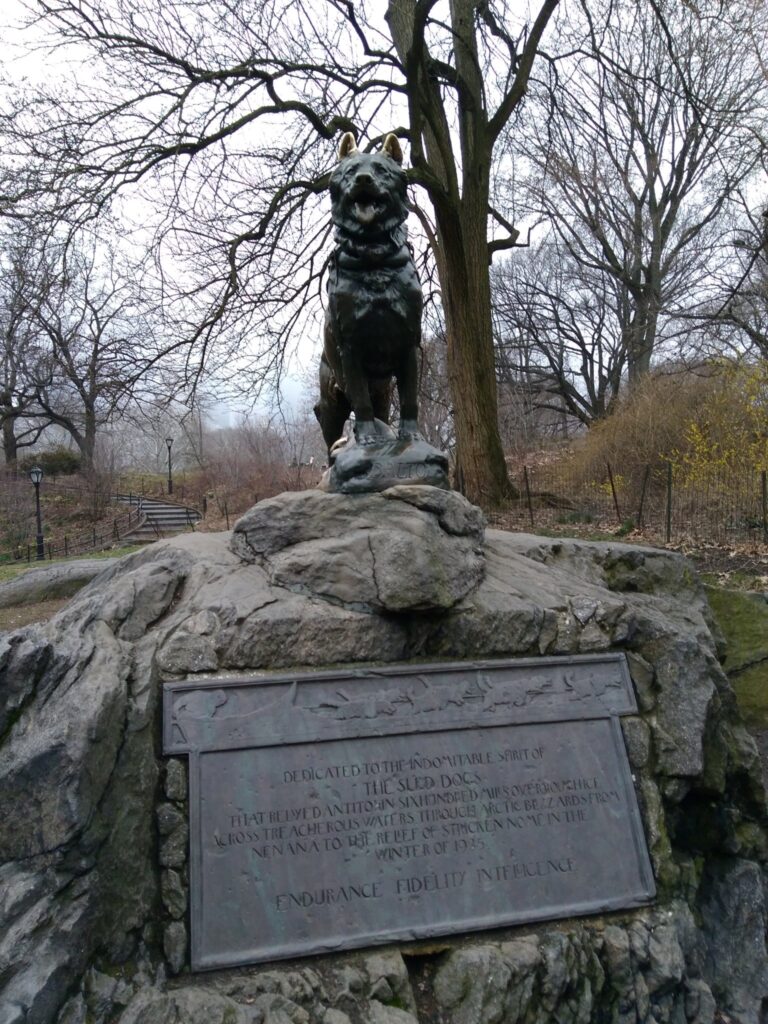
Balto became an instant celebrity. Newspapers across America covered him. A statue was unveiled in Central Park, New York, bearing the inscription: “Endurance. Fidelity. Intelligence.” It’s still there today.
But the years after his fame weren’t kind. Balto and his teammates were sold and ended up on display in a dime museum in Los Angeles, in poor condition. When a Cleveland businessman named George Kimble saw them during a visit, he was outraged.
Kimble went home to Cleveland and raised $1,500 in just 10 days, with donations from schoolchildren, factory workers, and local businesses, to buy the dogs and bring them to the Cleveland Zoo. They spent the rest of their lives there, cared for and comfortable.
Balto passed away on 14th March 1933, at the age of 14. His preserved remains are now on permanent display at the Cleveland Museum of Natural History, where he has been for nearly a century.
And remarkably, Balto is still contributing to science. In 2023, researchers sequenced his DNA as part of the Zoonomia Project, a study comparing the genomes of 240 mammal species. Balto’s genome turned out to be unusually diverse for a working sled dog, giving scientists new insight into how dogs were bred and adapted to harsh environments.
Even at rest, he’s still running.
Why Balto’s story still matters
Stories like Balto’s matter because they show us something true about dogs: something we already feel but rarely get to point to.
Dogs don’t weigh up risk. They don’t negotiate. When a dog trusts their person and that person says go, they go. Balto ran 55 miles through a blizzard not because he understood that children in Nome would die without the medicine, but because Kaasen asked him to run, and he ran.
That loyalty is the same thing you see in your dog when they wait at the door for you to come home. When they follow you from room to room. When they lie against you when you’re having a rough day. You may also want to read about best loyal dog movies.
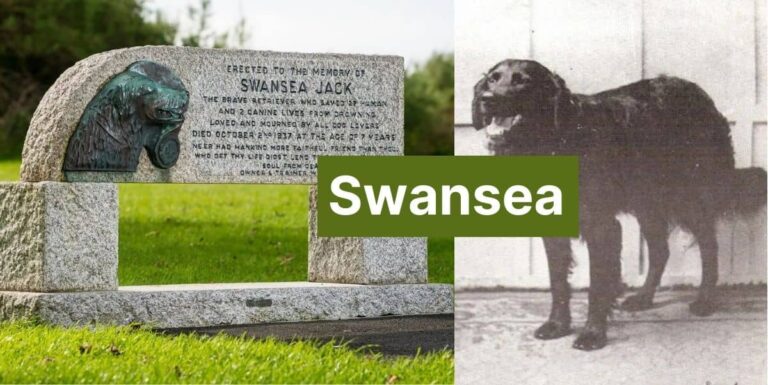
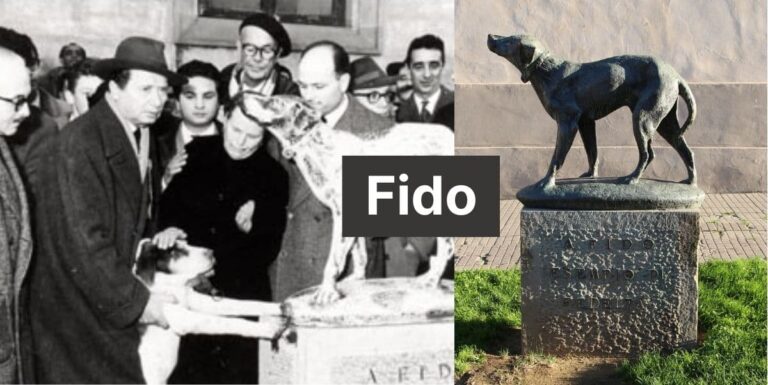
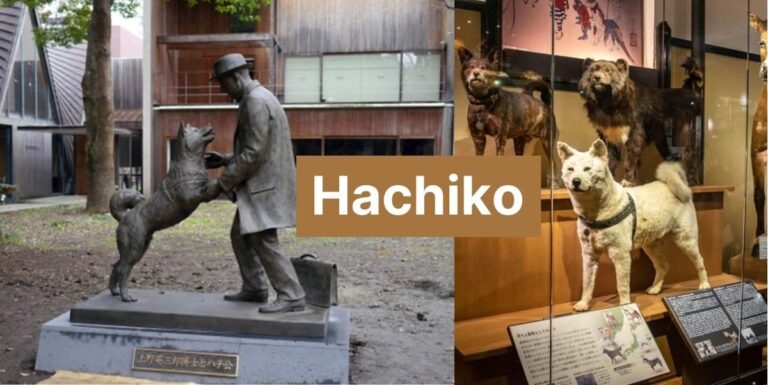
It’s also why dogs like Hachiko, Fido, and Swansea Jack, dogs from completely different eras and cultures, all have the same quality at the centre of their stories. They showed up. Completely.
That’s not a coincidence. That’s what dogs are.
Frequently asked questions
Was Balto a real dog?
Yes. Balto was a real Siberian Husky who led the final leg of the 1925 Nome serum run. He was born around 1919 and passed away on 14th March 1933. His preserved remains are on display at the Cleveland Museum of Natural History in Ohio.
What breed was Balto?
Balto was a Siberian Husky, the same breed as Togo, the other famous dog from the serum run. Both were part of Leonhard Seppala’s kennel.
Who actually did more, Balto or Togo?
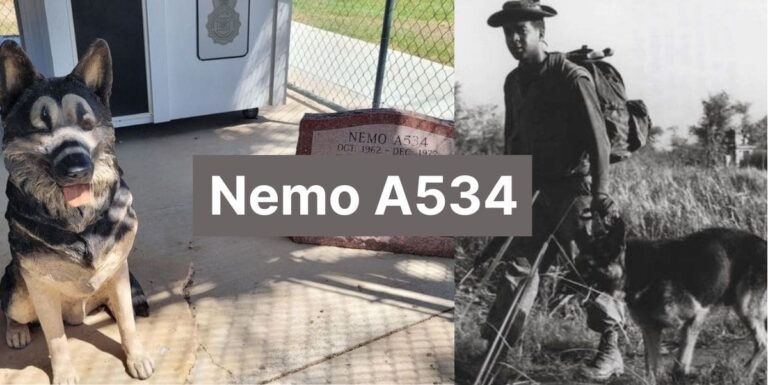
By distance, Togo. He ran 264 miles on the most dangerous stretch of the relay. Balto ran the final 55 miles into Nome. Togo is now widely regarded as the more significant contributor to the mission, but Balto got the fame because his arrival was reported first. You may also want to read about Nemo the hero dog.
Where is Balto’s statue?
In Central Park, New York City. It was unveiled in December 1925, just 10 months after the serum run. The inscription reads: “Endurance. Fidelity. Intelligence.”
Where is Balto now?
Balto’s taxidermied remains have been on display at the Cleveland Museum of Natural History since 1927. He’s one of their most visited exhibits.
Balto’s story is really about all of them
The 1925 serum run involved 20 mushers and over 150 dogs. Balto was one. Togo was one. Every dog that ran a leg of that relay, in those conditions, for that long, was part of it.
What stays with you isn’t the speed record or the logistics. It’s the image of dogs running through an Alaskan blizzard in the dark, with medicine tied to their sled, doing the thing they were asked to do.
If you love dogs, you’ll recognise that. You’ve seen that same commitment in a much smaller, quieter way, every single day.
Explore more stories of remarkable dogs from across history.