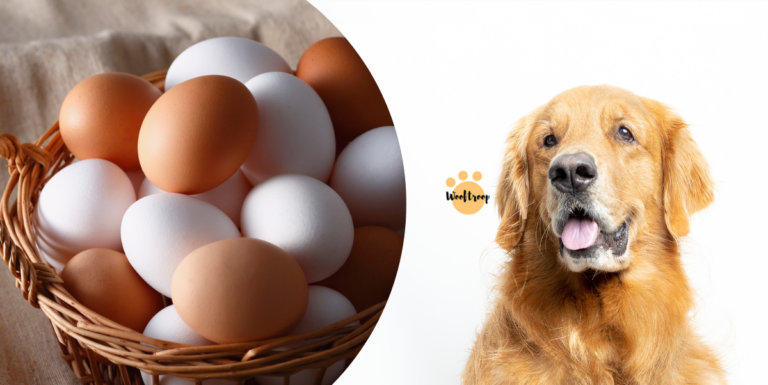
Yes, dogs can eat eggshells, but not the way you’d imagine. Whole or raw eggshells are a choking hazard and can carry bacteria. Cook them, dry them, grind them into a fine powder, and the story changes entirely. You get a natural, affordable source of calcium that most dogs can benefit from.
If you’re making home-cooked meals for your dog, eggshell powder is worth knowing about.
Are eggshells safe for dogs?
Yes, prepared correctly, eggshells are safe for most adult dogs.
Eggshells are made almost entirely of calcium carbonate, the same compound found in many commercial calcium supplements. According to the American Kennel Club, calcium is an essential mineral for dogs, supporting bone strength, healthy teeth, muscle function, and nerve signalling.
The key is preparation. Whole eggshells can splinter and scratch your dog’s mouth or digestive tract. Raw shells may carry Salmonella. But once cooked and ground to a fine powder, both risks disappear. You can also read more about feeding eggs to your dog in our guide on whether dogs can eat eggs.
Nutritional value of eggshells for dogs
One average chicken eggshell contains roughly 800mg of calcium. Ground into powder, half a teaspoon gives you around 880mg, which is a meaningful contribution to a dog’s daily calcium intake.
Eggshells are about 94% calcium carbonate, with small amounts of magnesium, phosphorus, and potassium. They don’t contain protein, fat, or vitamins, so think of them as a targeted mineral supplement rather than a food in their own right.
How does this compare to a bought supplement? Pretty well, actually. Commercial calcium carbonate tablets for dogs typically contain 500–1000mg per tablet. The advantage of eggshell powder is that it comes from something you’re already using in your kitchen. No packaging, no additives, and no extra cost.
How to prepare eggshells for dogs safely
The process is simple, but don’t skip any step.
Step 1: Rinse the shells thoroughly.
Wash off any egg white residue immediately after cracking. Leftover egg white can make the powder go off faster.
Step 2: Boil for 10 minutes.
Boiling kills Salmonella and any surface bacteria. This step is non-negotiable. Raw eggshell powder is not safe to feed.
Step 3: Dry completely.
Spread the shells on a baking tray and air dry, or put them in an oven at 90°C for 10–15 minutes. They need to be bone dry before you grind, or the powder will clump.
Step 4: Grind into a fine powder.
Use a clean coffee grinder, spice grinder, or mortar and pestle. The finer the better. No visible shell pieces. Coarse grinding defeats the purpose.
Step 5: Store in an airtight container.
Keep in a sealed jar in a cool, dry spot. Properly stored eggshell powder stays good for up to 2 months.
A note for Indian dog parents: If you make eggs at home regularly, boiled, scrambled, or fried, the anda ka chhilka you’d normally throw away is exactly what you need for this. It’s a zero-waste calcium supplement that costs nothing.
This is especially practical if you’re cooking homemade meals for your dog, which many Indian dog owners do. Just make sure the shells are boiled first.
For indie dogs with unknown dietary histories, eggshell powder can be a practical way to support calcium intake while they’re transitioning to home-cooked food. If you’re unsure whether your dog’s diet is balanced, our guide to common mistakes people make while feeding dogs is a useful starting point.
How much eggshell powder can dogs have?
Start small, and go by your dog’s size:
| Dog size | Amount per serving |
|---|---|
| Small dogs (under 10kg) | A small pinch (~⅛ tsp) |
| Medium dogs (10–25kg) | ¼ teaspoon |
| Large dogs (25kg+) | ½ teaspoon |
Give it 2–3 times a week, not daily. Sprinkle directly onto their food and mix in. Most dogs won’t even notice.
One important caveat: if your dog is already eating a complete commercial kibble, they’re almost certainly getting enough calcium already. Eggshell powder is most useful for dogs eating home-cooked meals, where calcium is easy to miss. Adding it on top of a complete diet can push calcium levels too high.
Risks and warning signs
Eggshell powder is safe for most dogs when given correctly. But there are genuine risks if it’s prepared wrong or given in excess.
Whole eggshells should never be given. Sharp fragments can scratch the mouth, throat, or digestive tract.
Bacterial contamination is a risk with raw shells. According to VCA Animal Hospitals, Salmonella can cause serious illness in dogs, including vomiting, diarrhoea, and lethargy. Boiling eliminates this risk.
Excess calcium is the subtler danger. Too much, especially in growing puppies, interferes with normal bone development. In adult dogs, chronically high calcium intake can stress the kidneys over time.
Watch for these signs that your dog may have had too much:
- Constipation or noticeably harder stools (the most common early sign)
- Loss of appetite
- Bloating or abdominal discomfort
- Vomiting or loose stools shortly after eating
If you notice any of these after introducing eggshell powder, stop giving it and contact your vet.
When to consult your vet
A quick check with your vet is worth it before starting eggshell powder if:
- Your dog has kidney disease or a history of urinary stones
- You’re feeding a pregnant dog (calcium needs during pregnancy are specific, and too much early on can cause complications during labour)
- Your dog is a puppy (growing dogs need the right calcium-to-phosphorus ratio, not just extra calcium)
- You’re not sure whether your dog’s current diet is calcium-deficient
If you’re in Ahmedabad, the best veterinary clinics in the city can advise on your dog’s nutritional needs and whether supplementation makes sense.
Frequently asked questions
Can puppies eat eggshell powder?
Be cautious. Puppies need more calcium than adult dogs, but the ratio of calcium to phosphorus matters as much as the quantity. Getting it wrong during growth stages can affect bone development. If you want to supplement a puppy’s diet with eggshell powder, speak to your vet about the right amount for their age and size before starting.
Can I give my dog raw eggshells?
No. Raw eggshells can carry Salmonella, which can make your dog seriously ill. Always boil the shells before grinding. There’s no safe shortcut here. Preparation is what makes eggshell powder safe.
Is store-bought eggshell powder safe for dogs?
Yes, commercially available eggshell powder is generally safe and skips the preparation work. Look for a product with one ingredient: ground eggshell, no additives. That said, making it at home is just as effective and free if you’re already eating eggs.
Can I mix eggshell powder into homemade dog food?
Yes, this is arguably the best use for it. If you’re cooking your dog’s meals from scratch, eggshell powder is one of the simplest ways to add calcium without buying supplements. Sprinkle the correct amount for your dog’s size directly into the meal and mix it in well.
The verdict: can dogs eat eggshells?
Yes, when properly prepared as a fine powder, eggshells are a safe, natural source of calcium for most dogs. Boil them, dry them, grind them fine, and sprinkle the right amount onto your dog’s food.
For Indian dog parents cooking homemade meals, this is one of the most practical additions you can make. The shells from your daily eggs are a free, zero-waste calcium supplement. You just need to prepare them correctly.
Keep amounts moderate, skip it if your dog eats complete commercial kibble, and check with your vet if they have any health conditions. You may also want to read about overall dog health care.
Looking for a convenient, egg-based option for your dog? WoofTroop’s Egg & Veggie Comfort Meal is made fresh to order with no preservatives, a good choice for dogs with sensitive stomachs or those who do well on gentle, easy-to-digest food. For more on what your dog can and can’t eat safely, browse our complete dog food guide.