Most Indian dog parents feed their dogs out of love. The roti at the end of dinner, a scoop of rice from the family pot, a biscuit when those eyes are impossible to resist. It feels kind. And it usually is, until it isn’t.
The truth is that feeding errors are one of the most common causes of preventable health problems in dogs. Obesity, digestive issues, kidney failure, nutrient deficiencies, a lot of it comes down to what and how we feed them.
The good news is that most of these mistakes are simple to fix once you know what to watch for. Here are the 13 most common ones.
Feeding the wrong amounts
Overfeeding your dog
More food does not mean more love, but it can mean a shorter life. Obesity in pet dogs leads to joint problems, diabetes, heart disease, and a significantly reduced lifespan. It is also more common than most dog parents realise.
Most pet dogs in India are overfed by 20 to 30% above their actual daily caloric needs. Your dog will eat whatever you put in front of them. That does not mean it is the right amount.
Use the feeding guidelines on the food packaging as a starting point, then adjust based on your dog’s actual weight, age, and activity level. A vet can help you calculate your dog’s ideal daily intake; it takes five minutes and makes a real difference.
Not measuring food portions
“A bowl” means completely different things to different people. A generous scoop for a 30 kg Labrador versus a 6 kg indie dog is the difference between a healthy meal and a calorie overload.
Use a proper measuring cup and go by your dog’s weight, not by eye. Once you start measuring, most dog parents are surprised by how much they have been overfeeding.
Free-feeding (leaving food out all day)
Free-feeding, where food is left out for your dog to graze throughout the day, makes it very hard to track how much your dog is actually eating. It also invites pests, speeds up food spoilage (especially in Indian humidity), and can encourage overeating in dogs who do not naturally self-regulate.
Set fixed mealtimes instead. Puppies need 3 to 4 meals a day; adult dogs do well on 2. Feed, wait 15 to 20 minutes, then remove whatever is uneaten.
Giving the wrong foods
Table scraps from Indian cooking
This is the most common and most overlooked feeding mistake Indian dog parents make. Sharing food from the family pot feels natural, but Indian cooking is built on onion and garlic. Both appear in dal, sabzi, curries, rice dishes, and almost every other Indian preparation.
Onion and garlic are toxic to dogs in any form, raw, cooked, or powdered, and regular exposure causes cumulative damage to red blood cells. The harm builds up over time, which is why dogs can seem fine for weeks or months before showing symptoms like lethargy, pale gums, or sudden collapse.
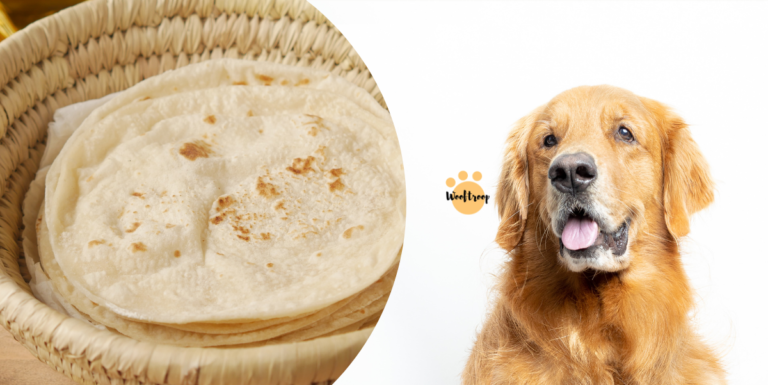
Plain roti in small amounts is generally fine. The problem is roti that has been in contact with curry or cooked in the family pot. Heavy spicing and mirch cause digestive upset too: vomiting, loose stools, stomach pain.
The safest rule: what comes off your plate does not go into your dog’s bowl.
Toxic foods you should never give your dog
Some foods that are completely normal to have at home are genuinely dangerous for dogs. The ones that catch most dog parents off guard:
- Grapes and raisins, one of the most dangerous and widely misunderstood. Even a small amount can trigger sudden kidney failure. Read more about why grapes are toxic to dogs.
- Chocolate, theobromine poisoning. Dark chocolate is worse than milk chocolate, but both are harmful.
- Xylitol, the artificial sweetener in sugar-free gum, some peanut butters, and baked goods. Causes a rapid drop in blood sugar and liver failure in dogs.
- Onion and garlic, covered above, but worth repeating: in any form, including powders and cooked versions.
- Raw dough, the yeast expands in the stomach and produces alcohol. Both are dangerous.
Never give grapes or raisins to your dog, even a single one. There is no safe amount, and the reaction can come on suddenly. For a full list of foods toxic to dogs, the ASPCA Animal Poison Control is the most comprehensive reference. You may also want to read about activated charcoal in emergencies.
Giving bones and raw food
Cooked bones are a serious hazard. They splinter when chewed and can puncture the stomach or intestines; this is a genuine veterinary emergency.
Raw bones carry less splinter risk but still present bacterial contamination (Salmonella, Campylobacter) and tooth fracture risks. Raw feeding has advocates, but it is not as simple as giving your dog chicken pieces from the market.
If you want to try a raw diet, do it with proper veterinary guidance and nutritional planning, not informally.
Poor feeding habits and routine
Not having a consistent feeding schedule
Dogs are creatures of routine. Irregular mealtimes cause anxiety, erratic hunger, and digestive disruption. A dog who does not know when their next meal is coming is also more likely to scavenge, beg constantly, or eat too fast when food does appear.
Feeding at the same times every day regulates your dog’s digestion and reduces stress-related eating behaviour. It also makes it much easier to spot if your dog goes off food; that is one of the first signs that something is wrong.
Feeding low-quality food
The cheapest bag of kibble is cheap for a reason. Low-quality dog food often contains fillers, artificial colours, preservatives, and poor-quality proteins that do not support long-term health. Nutrient deficiencies are slow to show up but hard to reverse.
Look for foods that meet AAFCO standards (listed on the packaging), or consult your vet about the best option for your dog’s breed, age, and health status. If you prefer home-cooked food, WoofTroop’s freshly made dog meals are prepared with dog-safe ingredients, no preservatives, and no onion or garlic.
Storing food incorrectly
India’s heat and humidity speed up food spoilage significantly. Kibble left in an open bag goes stale, loses nutrition, and attracts insects. Many dog parents also top up a new bag over whatever is left from the old one; this is a contamination risk.
Transfer food to an airtight container, store it in a cool dry place out of direct sunlight, and always empty the container fully before refilling. If the food smells off or looks different, do not feed it.
Ignoring your dog’s specific needs
Not adjusting for age and life stage
A puppy and a 10-year-old dog have very different nutritional needs. Puppies need higher protein and calorie density to support rapid growth. Adult dogs need balanced maintenance nutrition. Senior dogs often need joint support, softer food, controlled fat content, and sometimes more frequent but smaller meals.
Feeding a senior dog the same food as a puppy, or a puppy the same food as an adult, causes real harm over time. Most quality dog foods are labelled by life stage for this reason. If you are unsure what your dog needs at their current age, this is one of the best questions to bring to a vet.
Ignoring food allergies and sensitivities
Food allergies in dogs are more common than most people realise. The signs are often subtle at first: recurring itchy skin, ear infections, loose stools, excessive gas, or a dull coat that does not improve with grooming.
Common allergens in dogs include beef, dairy, wheat, and chicken. If you suspect your dog has a food sensitivity, do not just cycle through different food brands; work with a vet to do a proper elimination diet. Randomly switching foods without a plan makes it much harder to identify the trigger.
Not providing enough water, especially in Indian summers
This one is massively underestimated in India. The standard advice about fresh water being “always available” was written for temperate climates.
During Indian summers, when temperatures reach 35 to 42°C, dogs may need double their usual water intake to stay hydrated. Dehydration leads to kidney strain, urinary tract infections, lethargy, and in serious cases, organ failure.
Change your dog’s water bowl at least twice a day in summer, and add a second bowl in a different part of the house. For more on this, read about how long dogs can safely go without water.
Not following your vet’s guidance
Dog nutrition advice online varies wildly, and a lot of what gets shared on WhatsApp groups or YouTube is either incomplete, breed-specific, or simply wrong. The most common feeding mistakes documented by vets are almost always things the owner was confident about.
A vet who knows your dog’s weight, breed, health history, and activity level is the only person qualified to give you personalised feeding advice. This is especially important for indie dogs (whose dietary history is often unknown), senior dogs, dogs with chronic conditions, and dogs recovering from illness or surgery.
If you are in Ahmedabad and looking for reliable veterinary guidance, our guide to the best vets in Ahmedabad covers the clinics we would recommend.
Frequently asked questions
What is the most common feeding mistake Indian dog parents make?
Feeding table scraps from Indian cooking. Most Indian households cook with onion and garlic daily, and these are toxic to dogs in any form, raw, cooked, or powdered. The damage is cumulative, which means dogs can appear fine for a long time before symptoms emerge. It is one of the most common and preventable causes of dietary harm in Indian pet dogs.
How many times a day should I feed my dog?
Puppies under 6 months need 3 to 4 meals a day. Adult dogs (1 to 7 years) do well on 2 meals a day. Senior dogs generally do best on 2 meals a day, though some benefit from smaller, more frequent meals if digestion has slowed. Your vet can advise based on your specific dog’s age, weight, and health.
Can I feed my dog home-cooked food every day?
Yes, if it is nutritionally balanced. Plain rice and chicken, or dal and vegetables prepared without onion, garlic, or spices, can be a reasonable base. The risk is nutritional gaps over time; home-cooked food on its own is rarely complete.
Many dog parents mix home-cooked food with quality commercial food for balance, or use a vet-recommended supplement. If home-cooked is your preference, discuss it with a vet so you know what the diet is missing.
Is it safe to give my dog roti?
Plain roti in small amounts is generally fine. The concern is roti that has been in contact with curry, cooked near spiced food, or touched by anything containing onion or garlic. Leftovers from your plate are not safe to share. You may also want to read about herbs you can add to dog food.
If you want to give your dog roti as an occasional treat, make a plain, unseasoned one separately.
What common Indian foods are toxic to dogs?
Onion and garlic top the list, in any form, including raw, cooked, or powdered. Grapes and raisins are extremely dangerous and often underestimated. Chocolate, xylitol (in sugar-free products), and avocado are also toxic.
Most plain Indian staples, rice, dal, roti, and cooked vegetables, are fine in moderation, as long as they have not been cooked with onion, garlic, or heavy spicing.
Should I change my dog’s food gradually?
Yes, always. Switching food abruptly causes digestive upset, loose stools, and vomiting. The standard approach: transition over 7 to 10 days. Start with 75% old food and 25% new, then shift the ratio gradually every 2 to 3 days until you are fully on the new food. If your dog has a sensitive stomach, slow the transition down further.
The bottom line
Feeding your dog well does not require a degree in nutrition. Most of the mistakes on this list are easy to fix once you know what to watch for.
The biggest one for Indian dog parents, and the most overlooked, is the table scraps habit. Indian cooking is built on onion and garlic, and those are genuinely harmful to dogs even in small, repeated amounts. You may also want to read about what fruits are safe. You may also want to read about safe seeds for dogs.
Start there. Cut the scraps, measure the portions, keep fresh water out all day, and build a relationship with a vet you trust. Browse our dog food and nutrition hub for more guidance on what to feed your dog at every life stage.